

Pacific Theater Warriors, Part 1: Ground Cover
Sometimes it’s hard to believe that the second World War was fought eight decades ago. What we as a society have overcome since then is absolutely astounding. I’m fascinated by the history of our little blue and green marble that floats around the universe, but I do not claim to be an expert on anything, especially the events of World War II. Please excuse my cliff notes of the battles these vehicles participated in, because each battle they represent would take me months of research and I’d end up having to write a book. The war campaign that spread across the islands of the Pacific ocean during the war is notoriously overshadowed by the horrific events and heroic battles that took place on the European continent. Johnny Lightning has released two versions of a set of six vehicles that participated in those Pacific battles. Each set contains two airplanes and four ground support vehicles. In the first part of this series, I’m going to highlight those models with wheels and tracks. I’ll save the ones with wings and propellers for a later read.
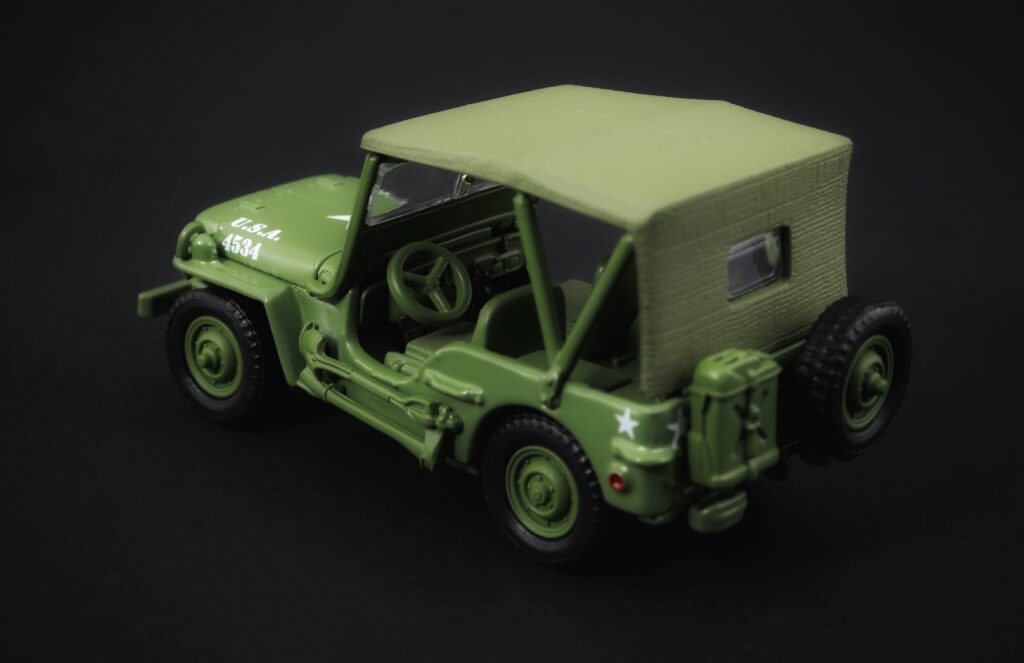
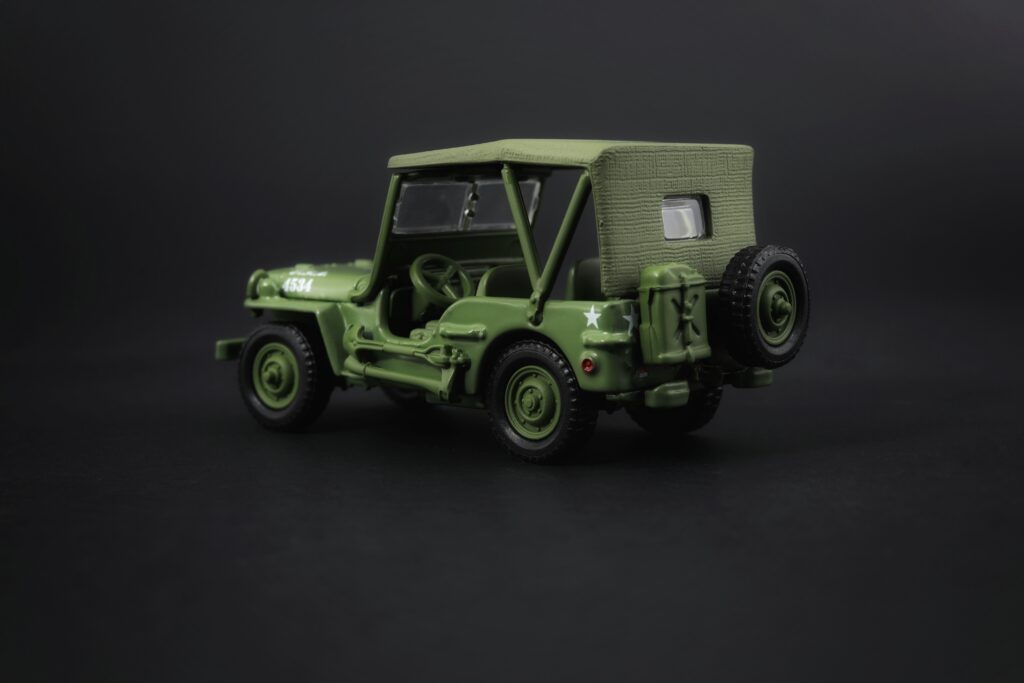
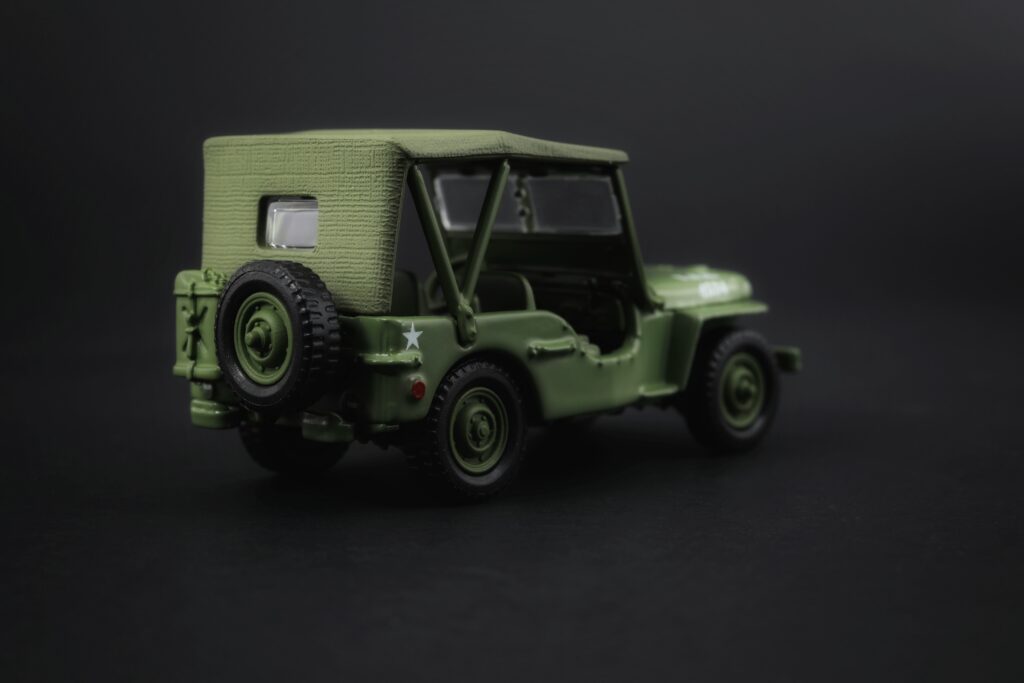
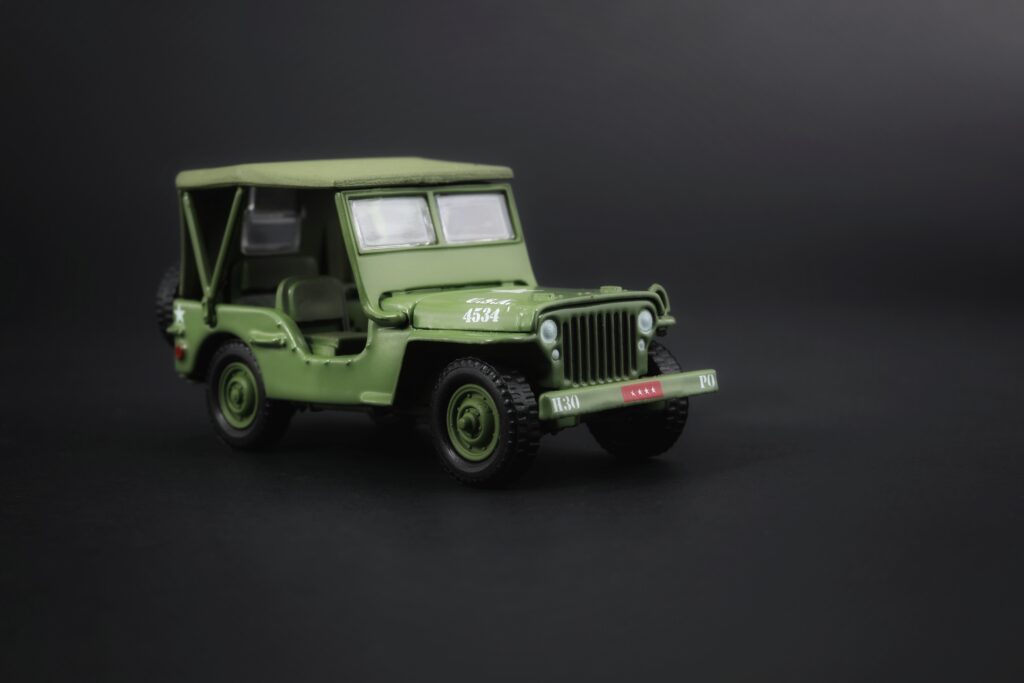
MB Jeep Willys
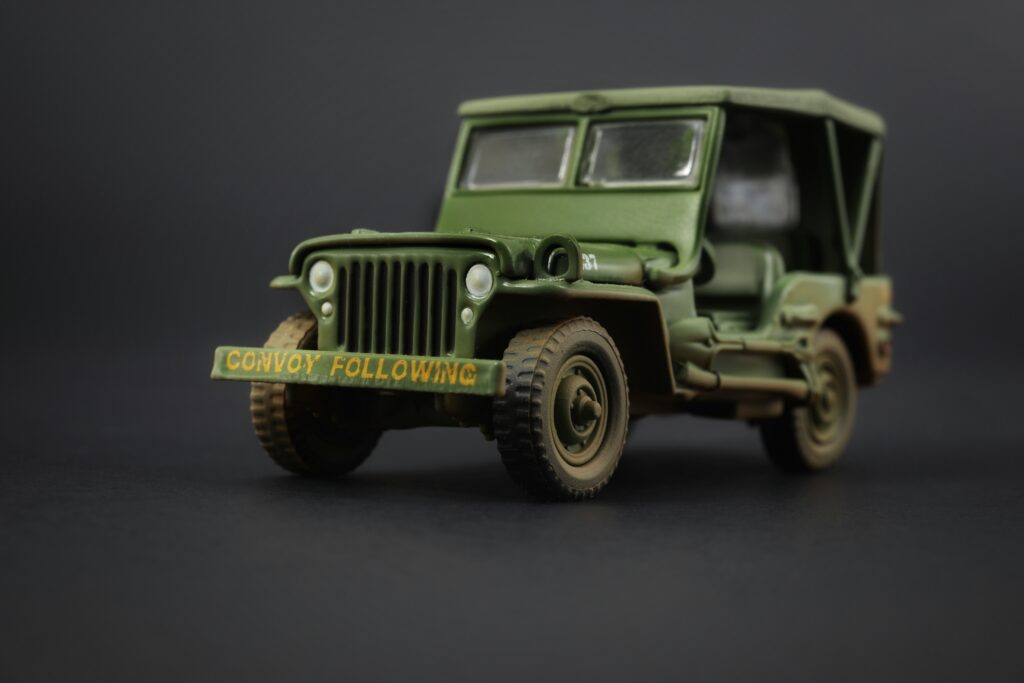
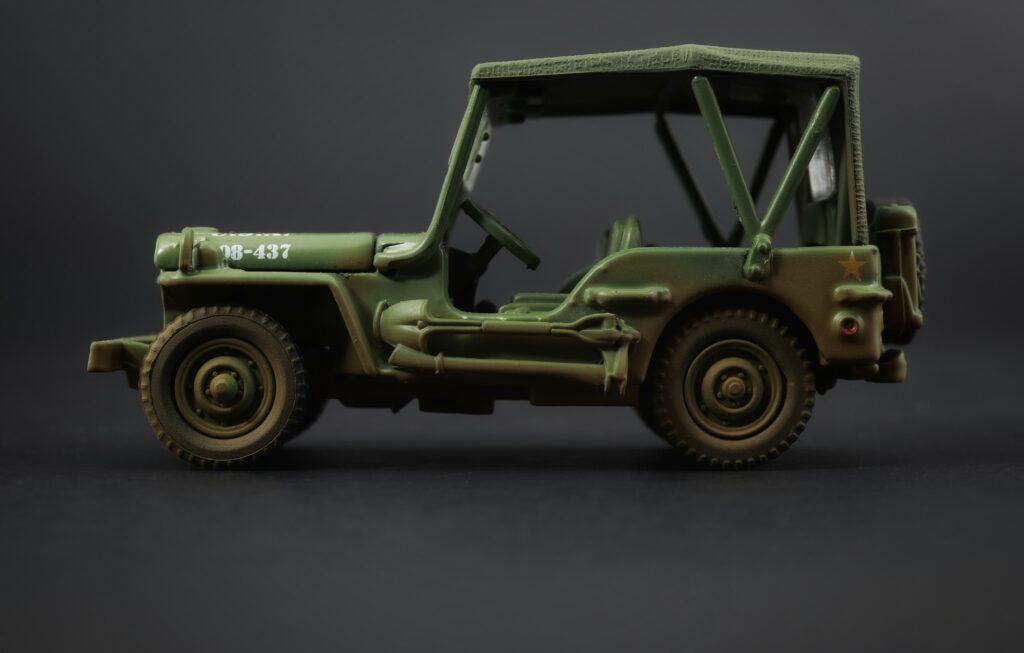
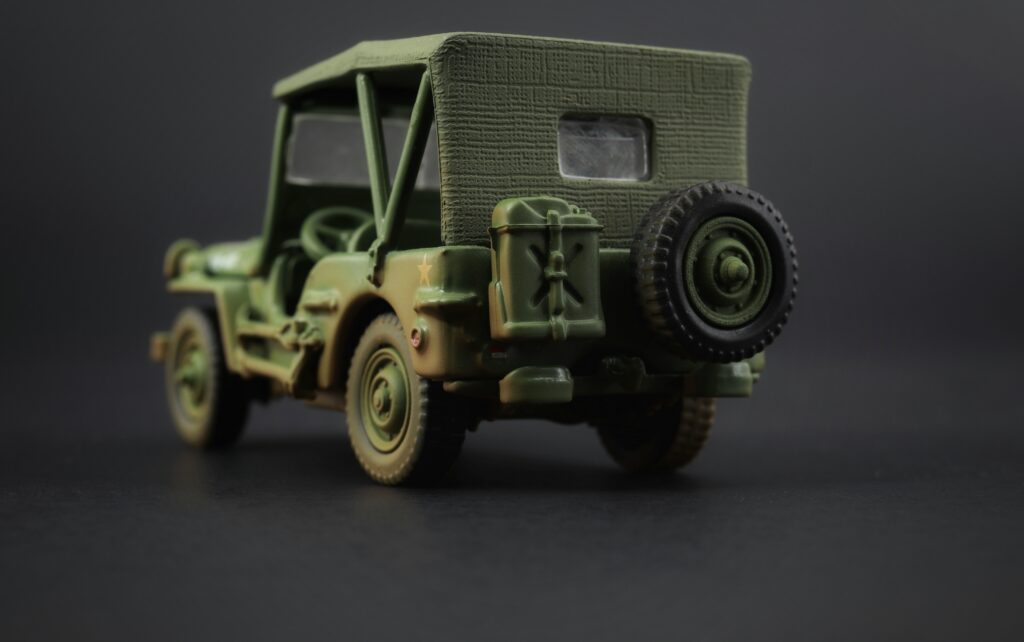
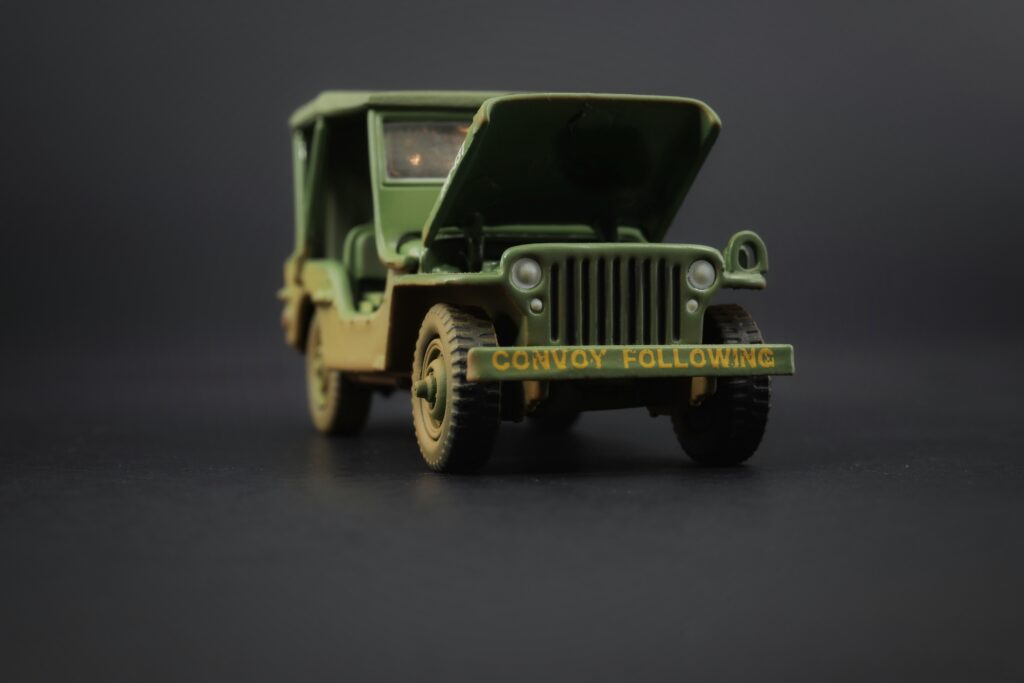
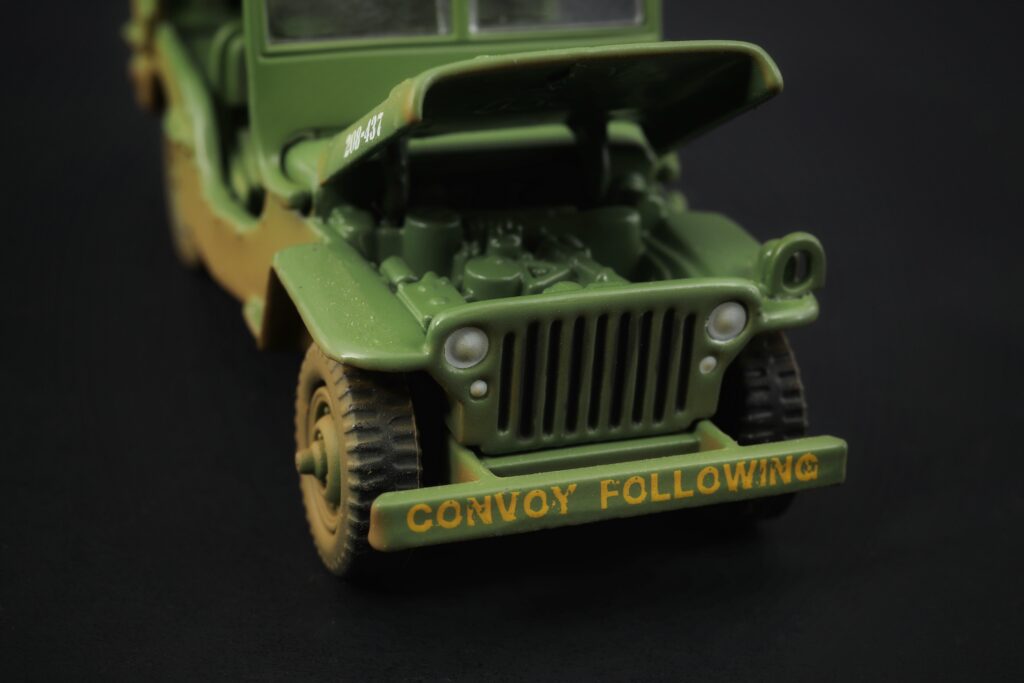
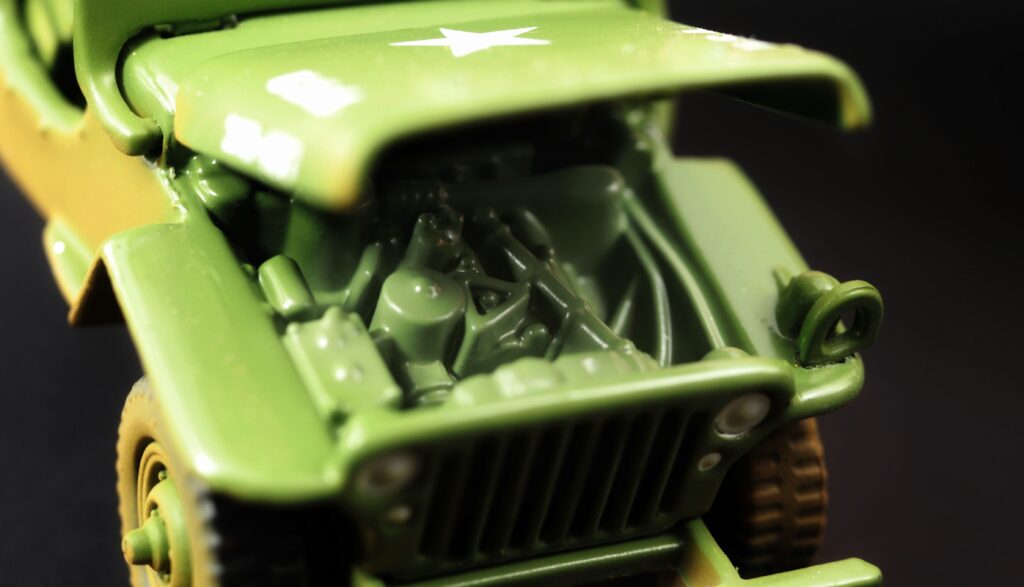
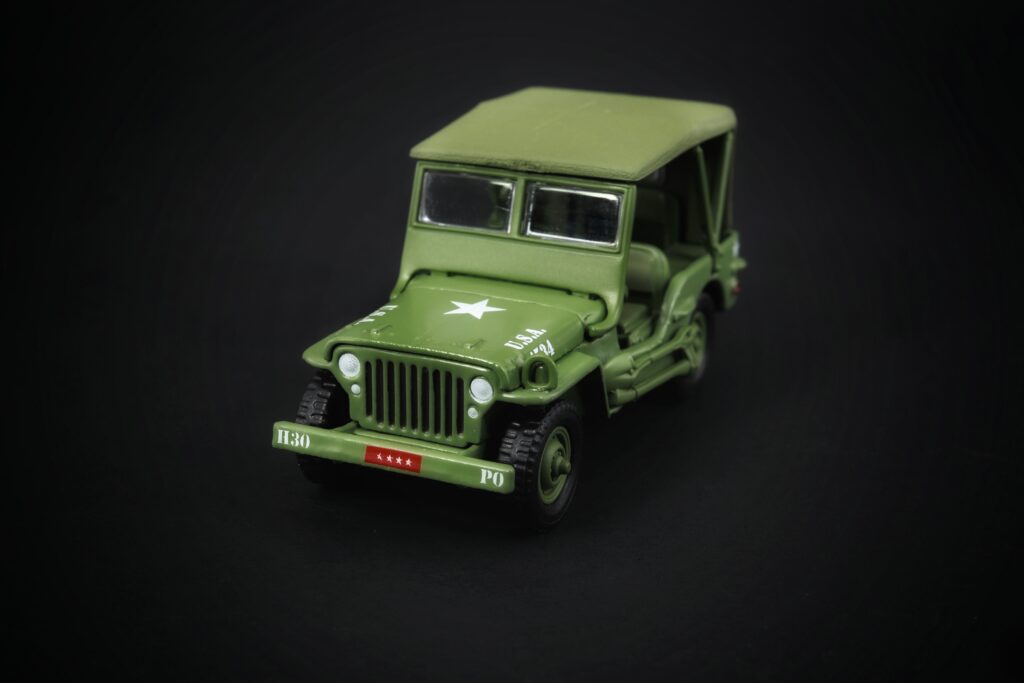
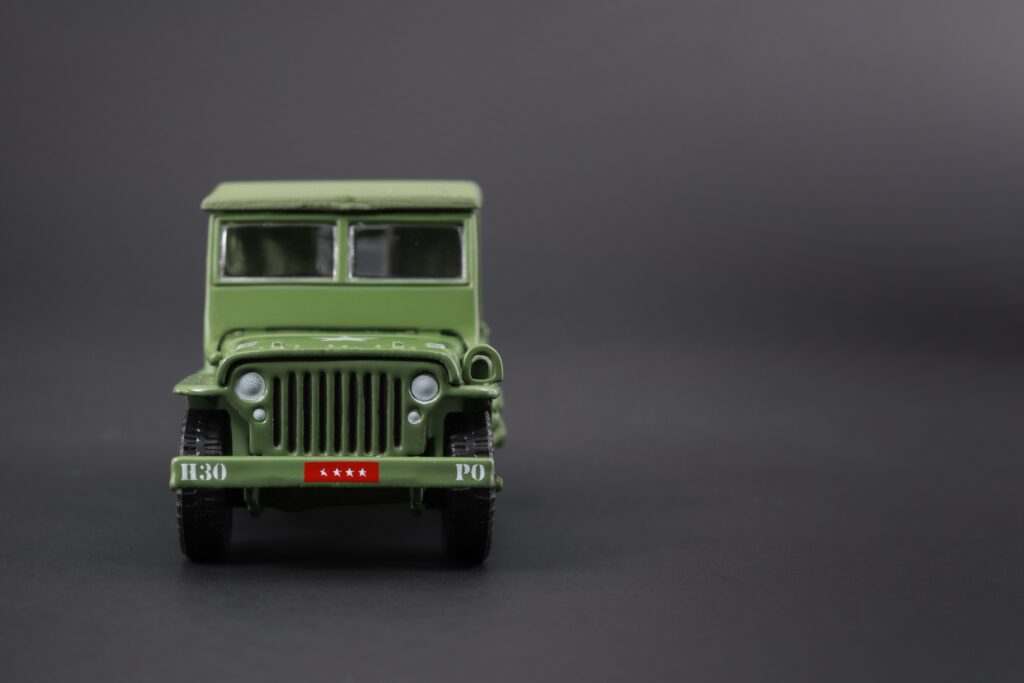
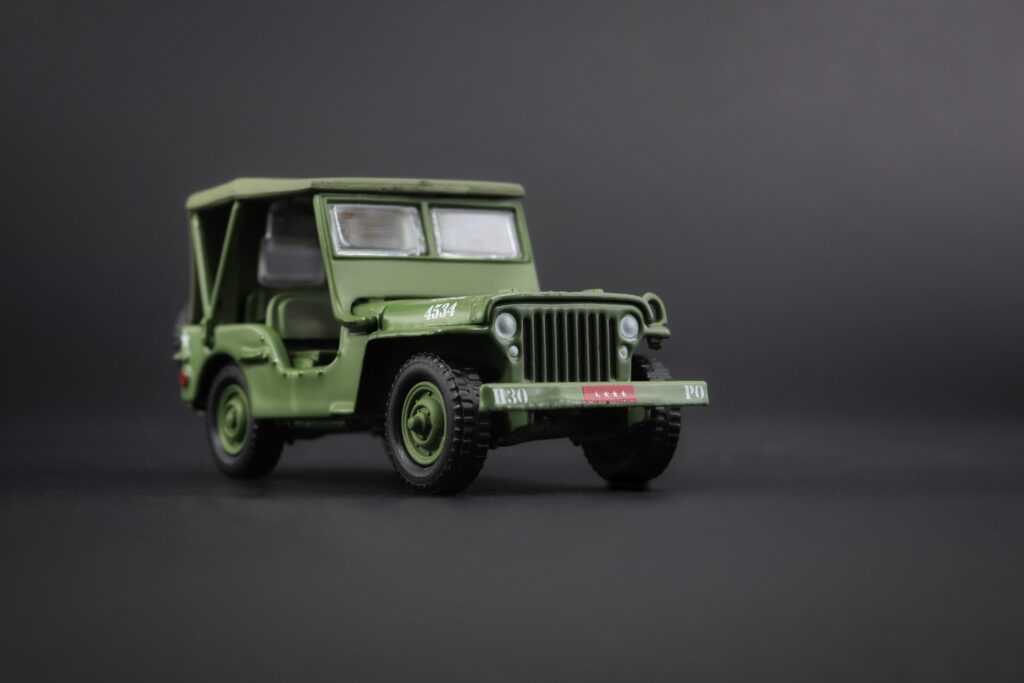
Let’s start with the Jeeps; how could we not? Version A is a clean MB Willys Jeep from the Return to the Philippines. US Army General Douglas MacArthur famously declared that he “shall return” to the Philippines in 1942. He fulfilled that promise in 1944 at the Battle of Leyte Gulf. This battle was fought on four major fronts, and was the largest naval battle of WWII. It would also be the last ship-to-ship battle at sea in history. Version B is the battle tested Jeep, wearing dirt from the aftermath of Operation Meetinghouse in Tokyo. The bombing of Tokyo took place on March 10th, 1945 and is regarded as the most destructive air attack ever. The ethics of the bombing are still hotly debated to today.
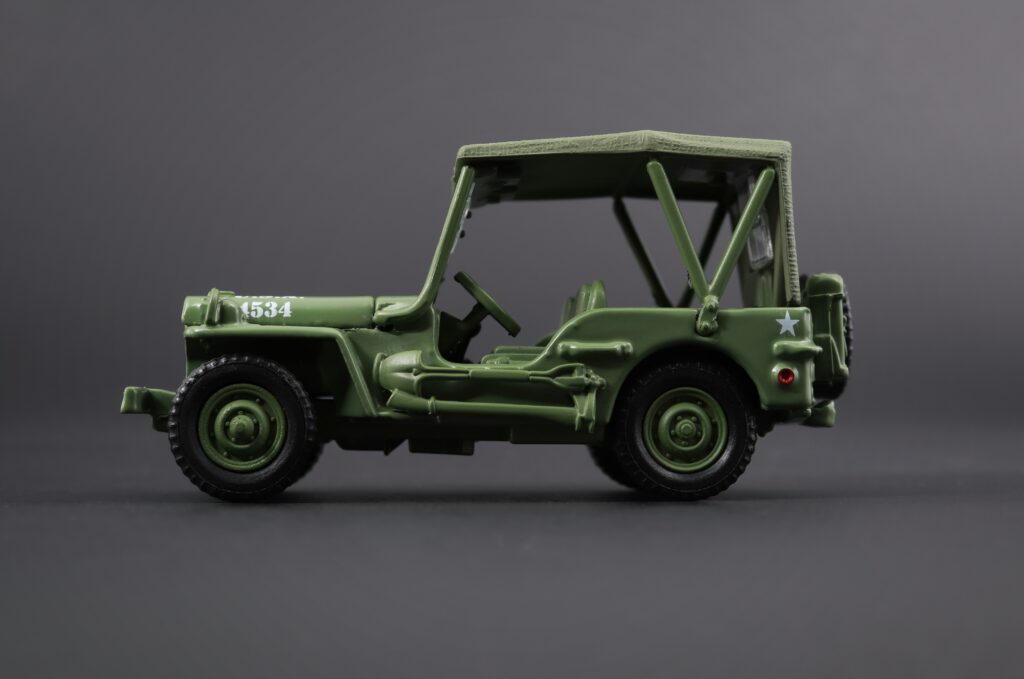
Both models have the same features, but the Version B model of the Tokyo Jeep is coated with dirt from the battlefield. The “canvas” tops are static, but the hoods are able to open. Johhny Lightning gave the four-bangers lots of unexpected detail to the casting, but the whole thing is coated with olive-green paint. Both Jeeps are embellished with shovels and axes, jerrycans of fuel mounted on the back, and even a rubber spare tire. Each Jeep also wears specific markings and call numbers to those vehicles that would have been assigned to those areas of the Pacific Islands they fought on.
 |
 |
 |
 |
 |
 |
 |
 |
 |
 |
 |
 |
M2 and M16 Half-track
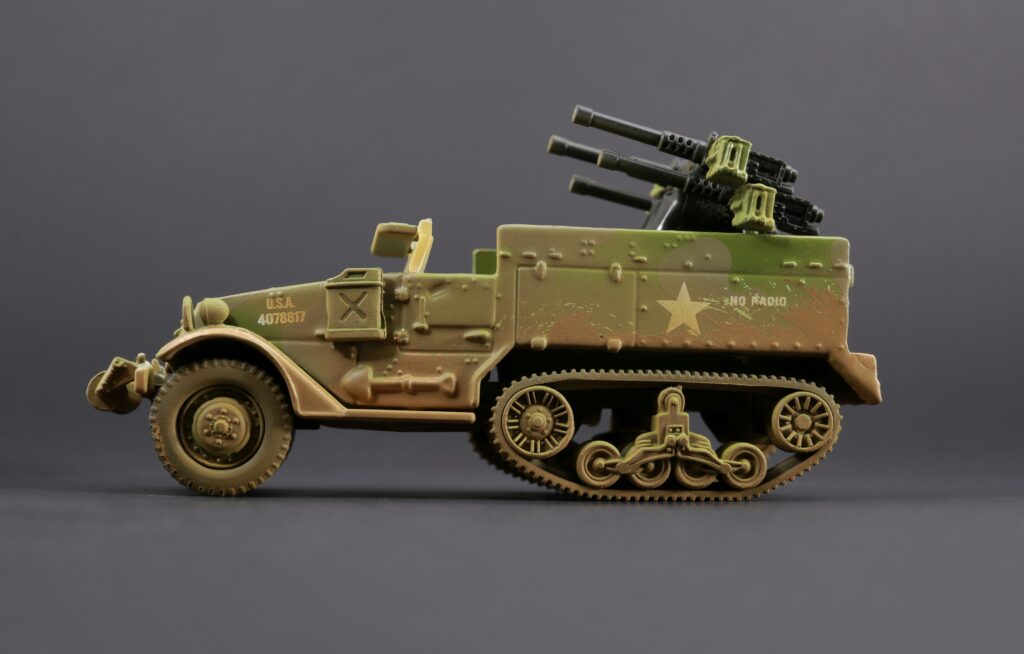
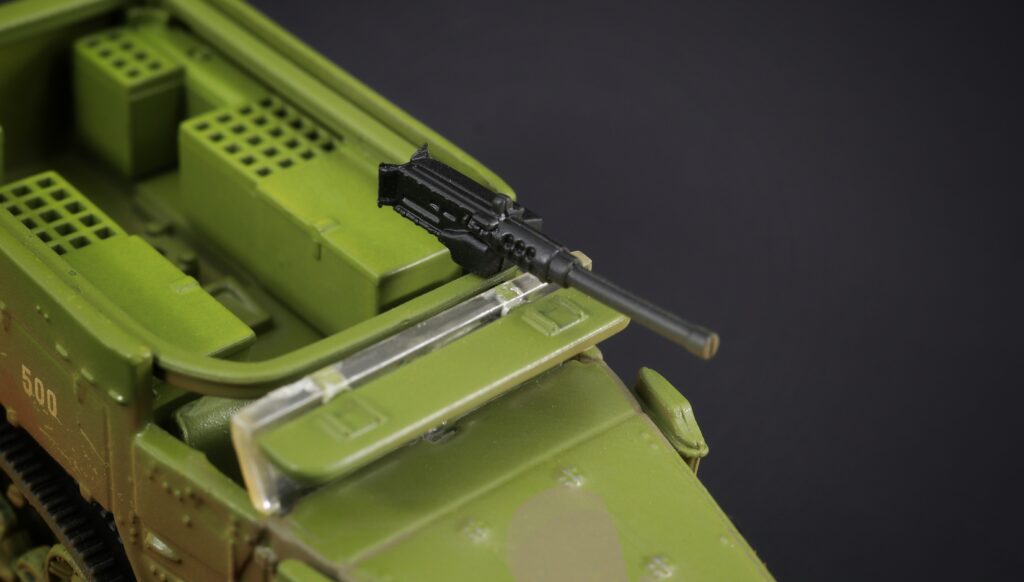
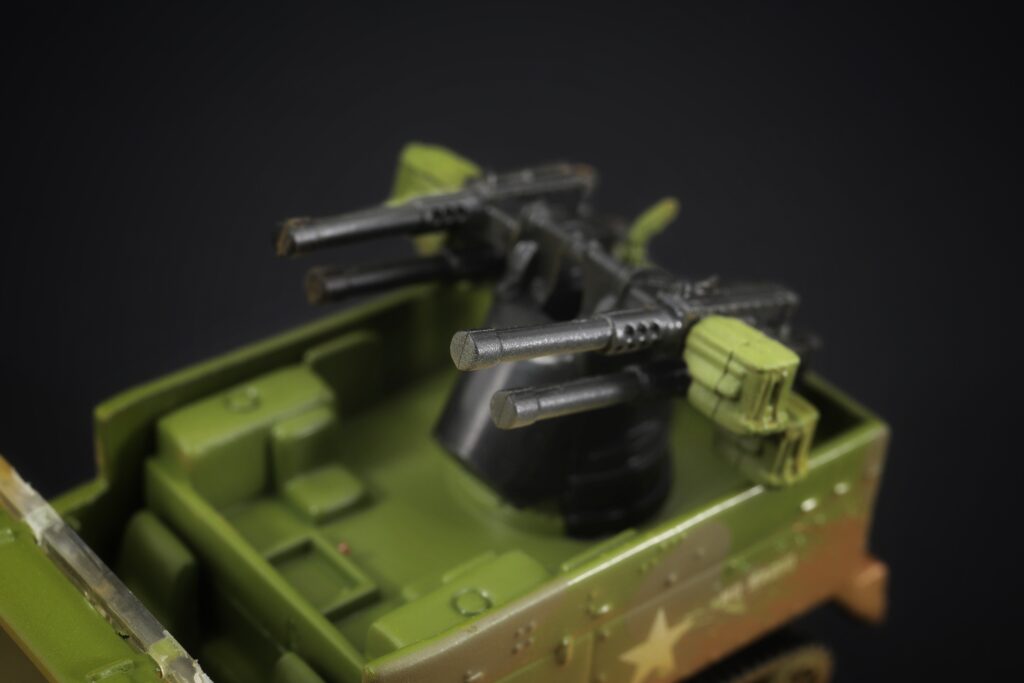
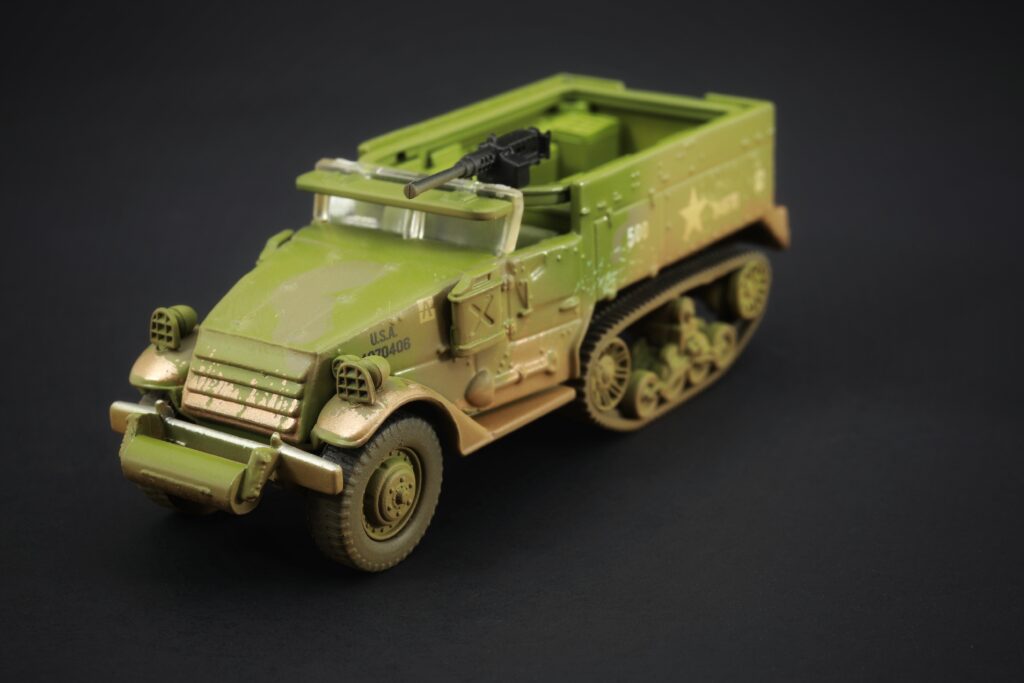
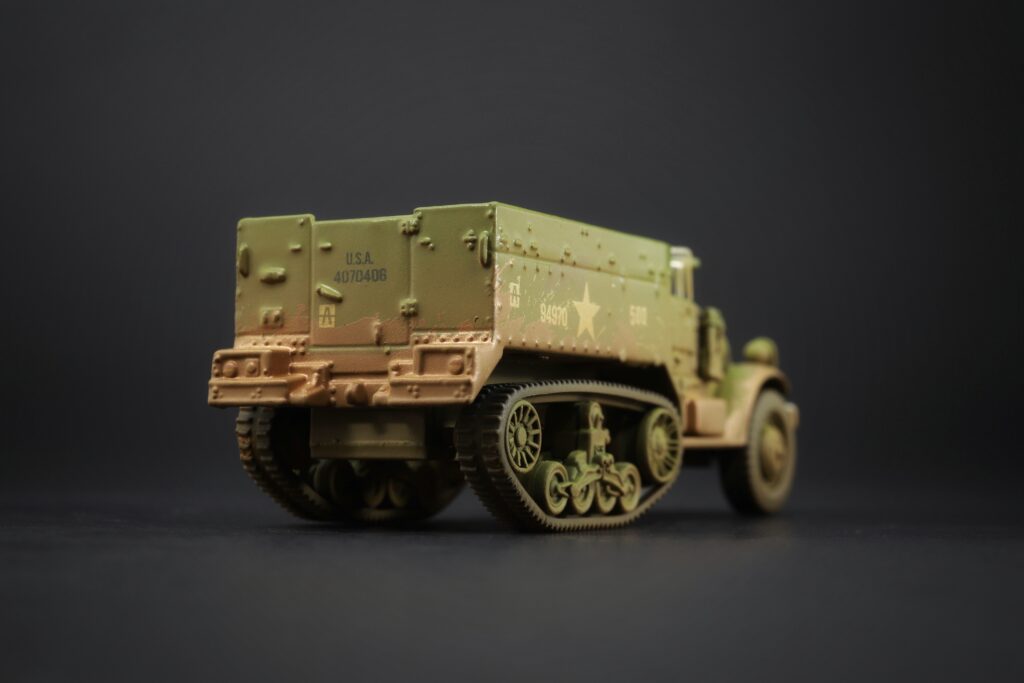
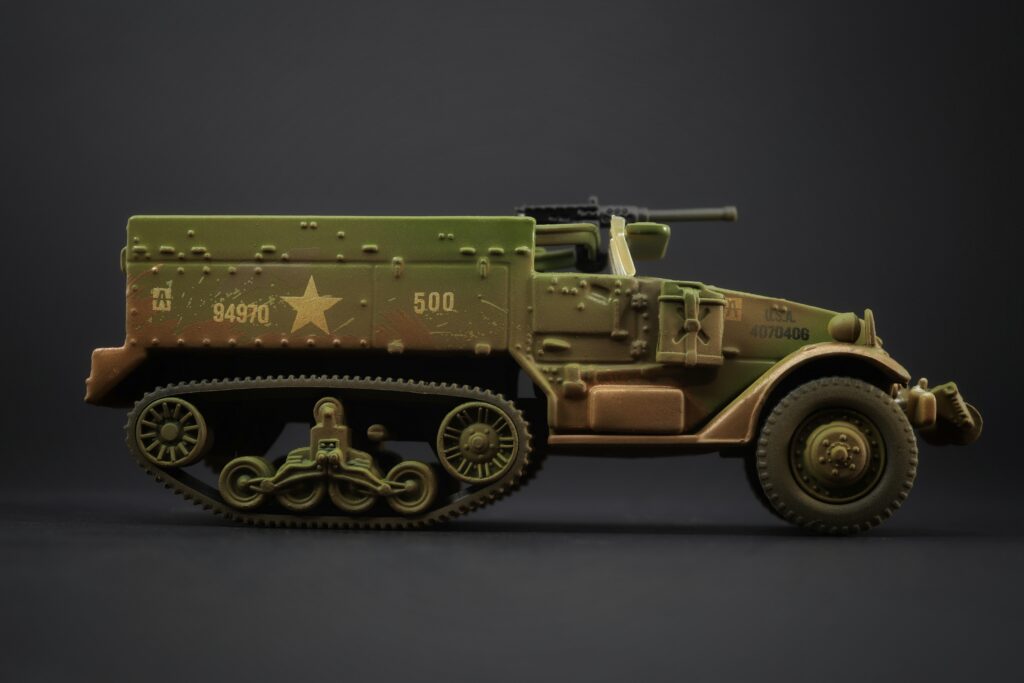
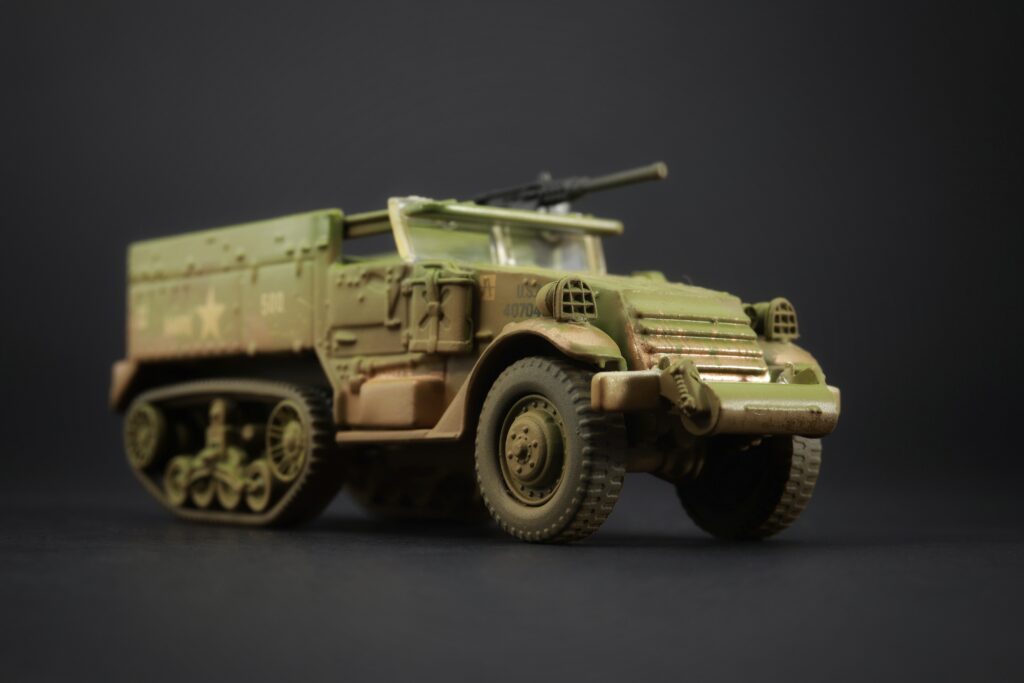
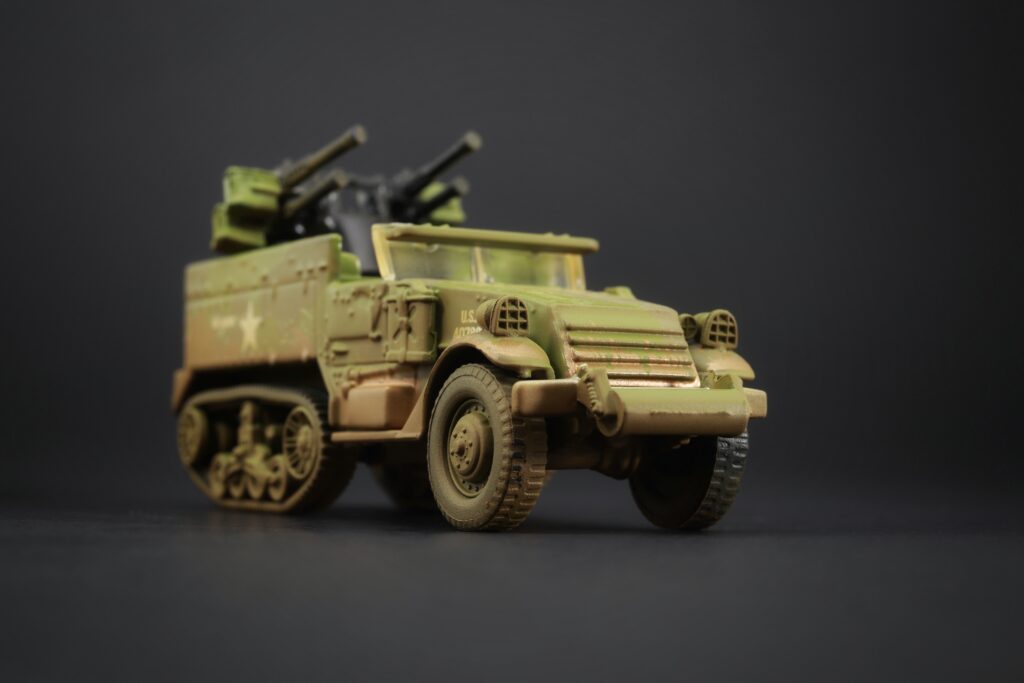
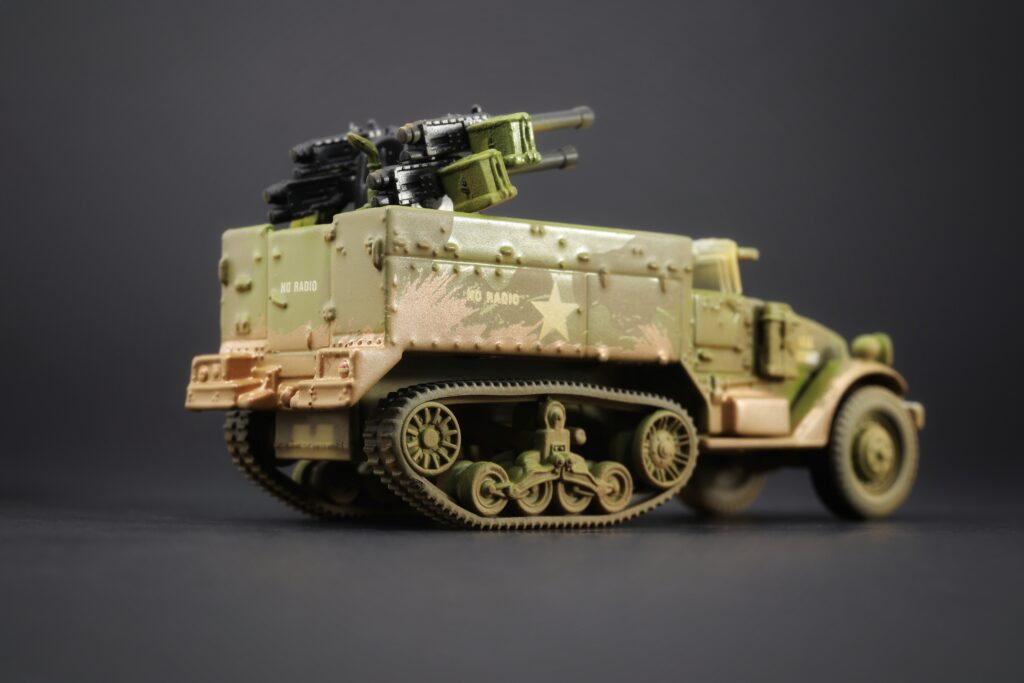
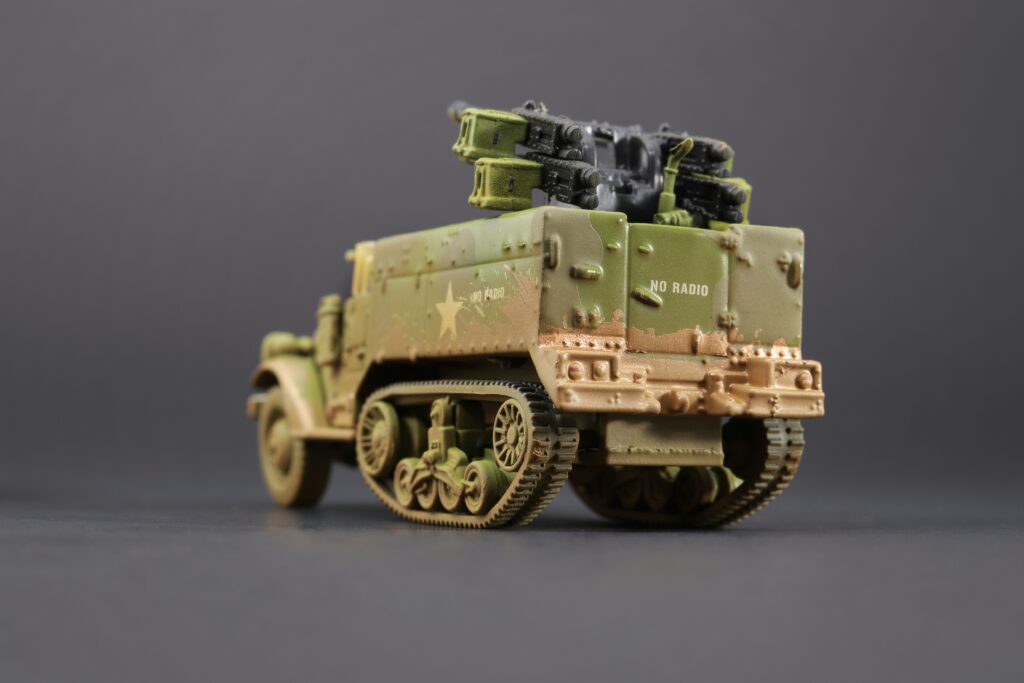
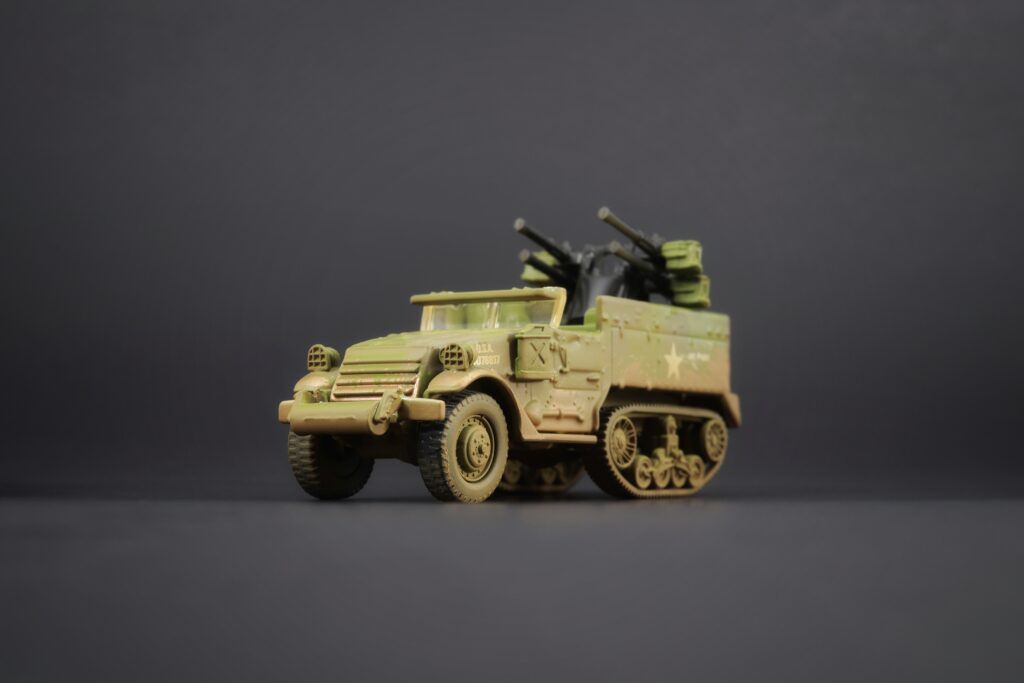
Next up are the Half-tracks; part truck, part tank, all badass. These might be my favorite vehicles of the series, thanks to the attention to detail Johnny Lightning gave to them. Both are from the Battle of Okinawa; which would be the last island battle before the invasion of mainland Japan. The battle lasted 82 days, and gave the US and the Allies a strategic airfield on the Island of Okinawa that they would later utilize in the Invasion of Japan. The Battle of Okinawa was yet another intense and horrific battle in the Pacific Campaign, earning the nickname “Typhoon of Steel”.
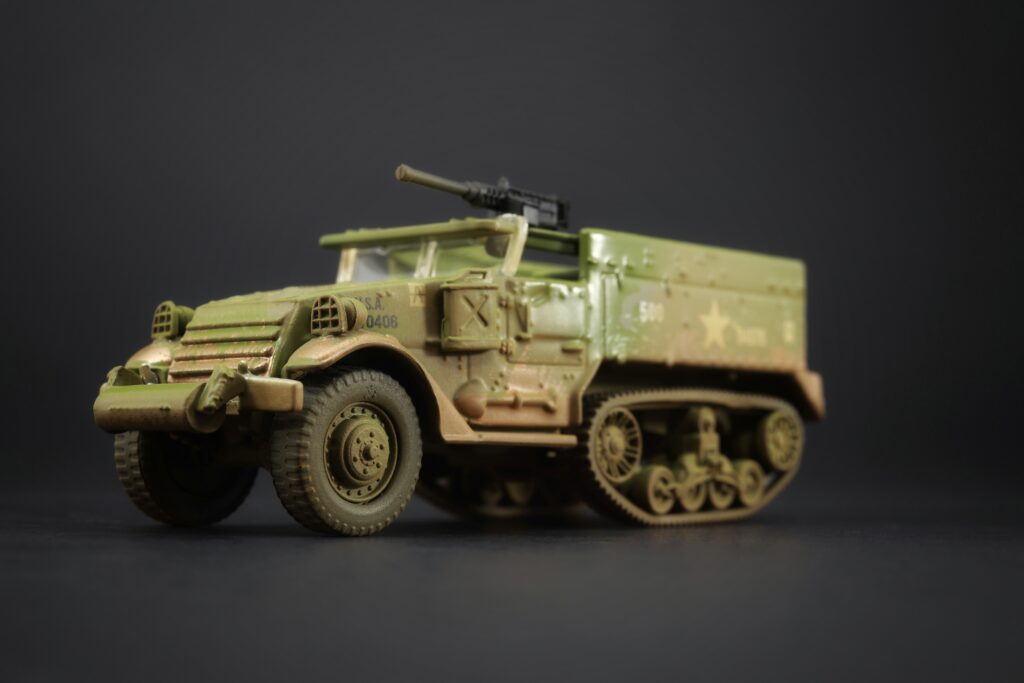
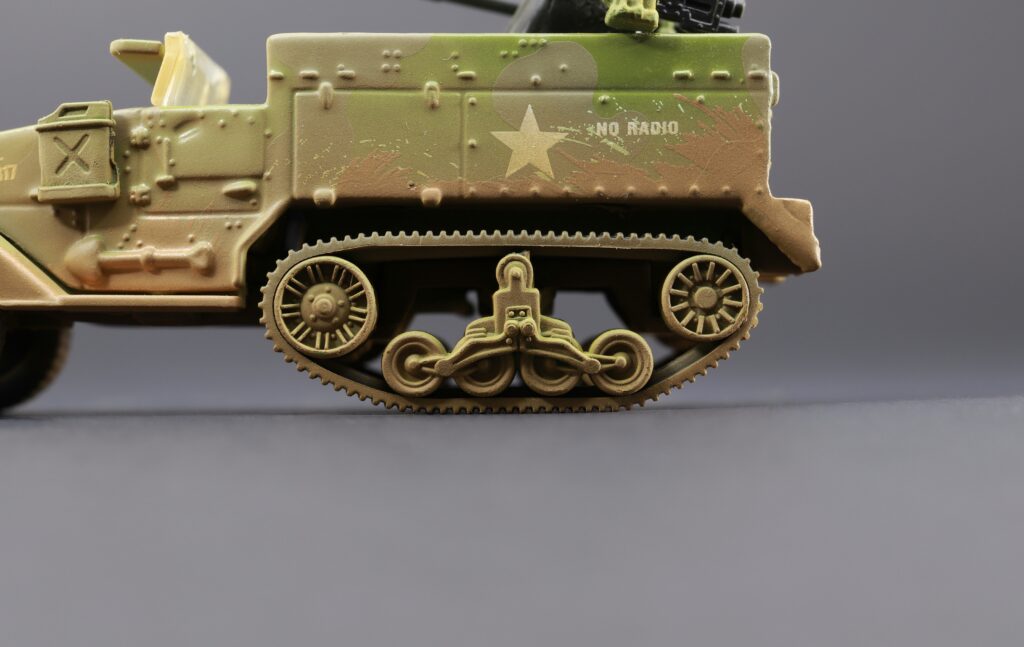
Version A is the M16 Half-track, hailing from the Battle of Okinawa’s reconnaissance team. This version packs a quad .50 caliber anti-aircraft turret in the back. Version B has a different gun mounted to it, as it played a defensive role in the same battle. It was mainly used to defend Allied forces against Japanese paratroopers descending from above. Both wear an impressively detailed track set-up with real rubber treads. They look best stationary but I’m convinced they will spin with the right amount of pressure. I didn’t want to risk damaging the caked on mud though for the sake of proving my theory correct. Unlike the Jeeps, both of these half-track trucks are dirty. Each one wears historically accurate markings and insignia to differentiate the two roles these vehicles played in the crucial Battle.
 |
 |
 |
 |
 |
 |
 |
 |
 |
 |
 |
M3 Lee Tank
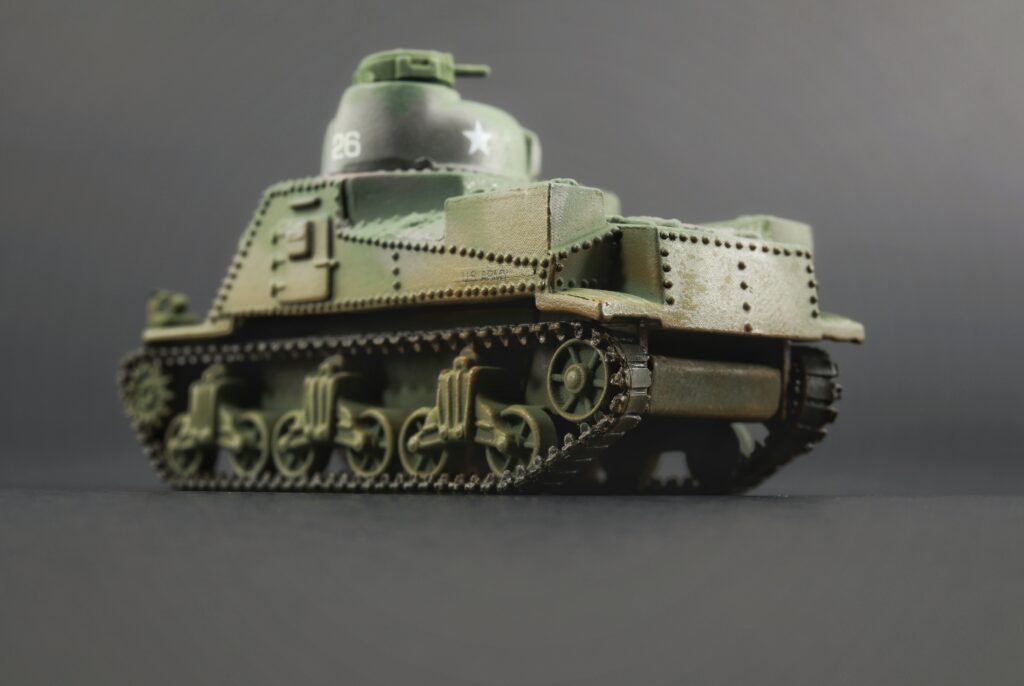
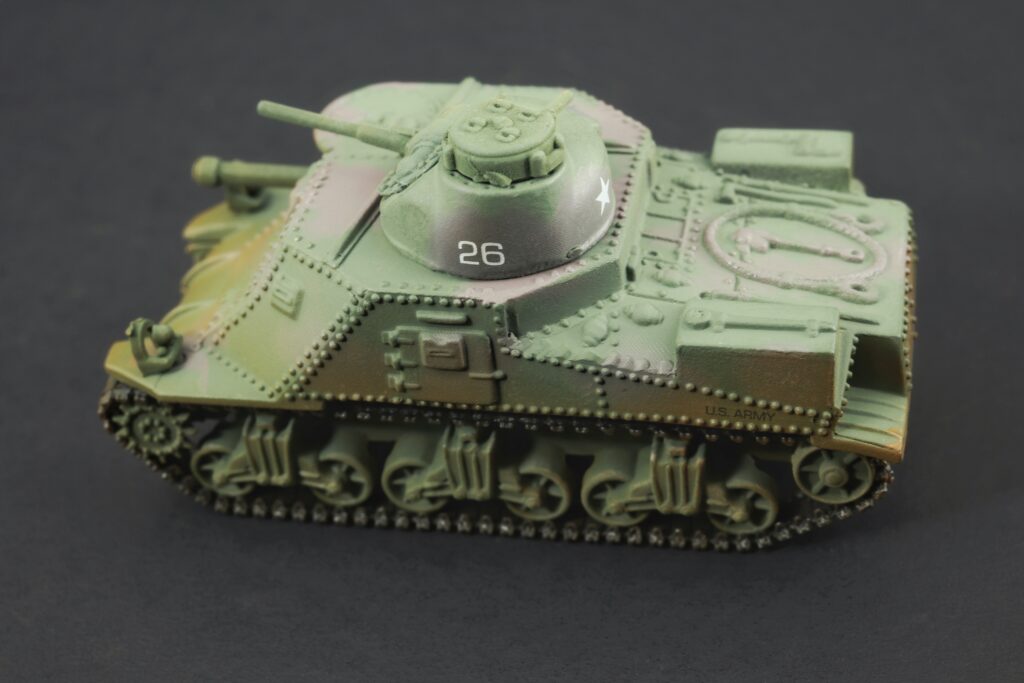
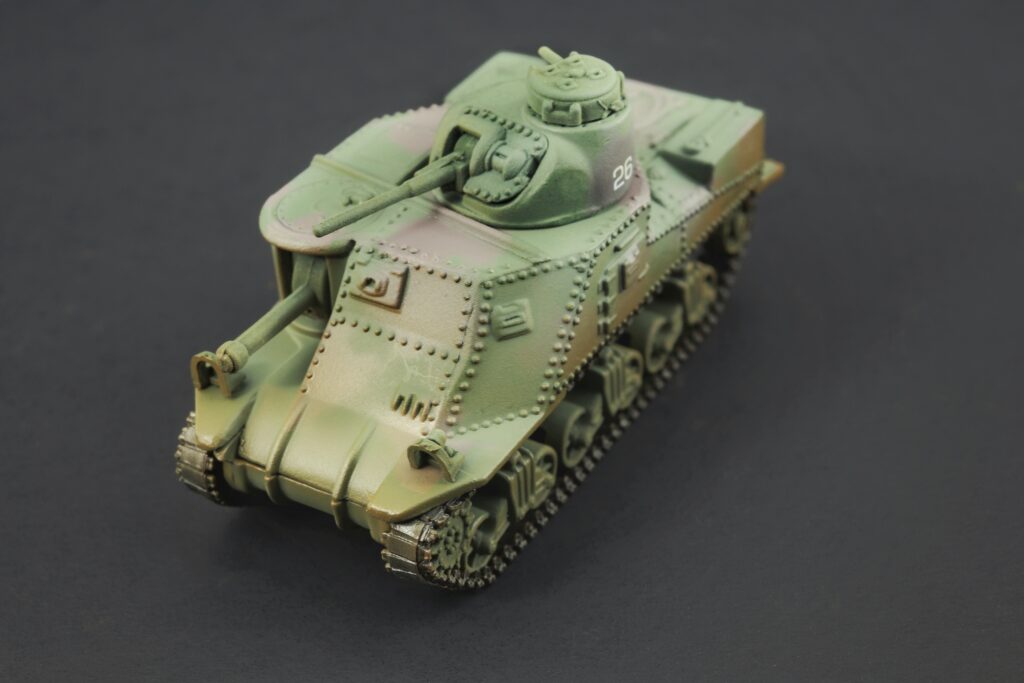
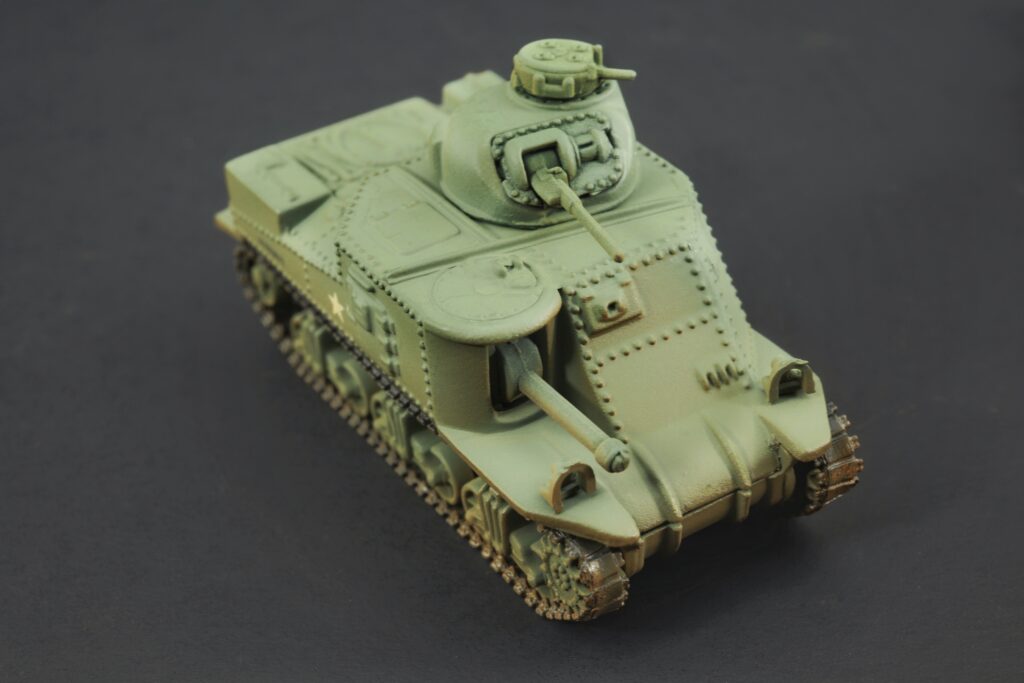
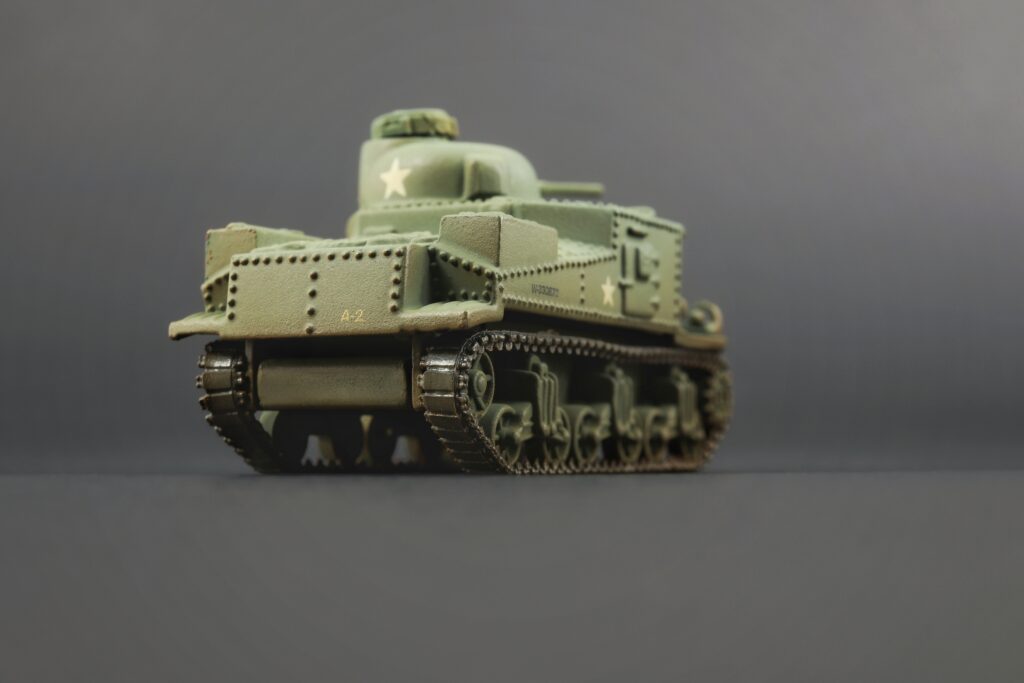
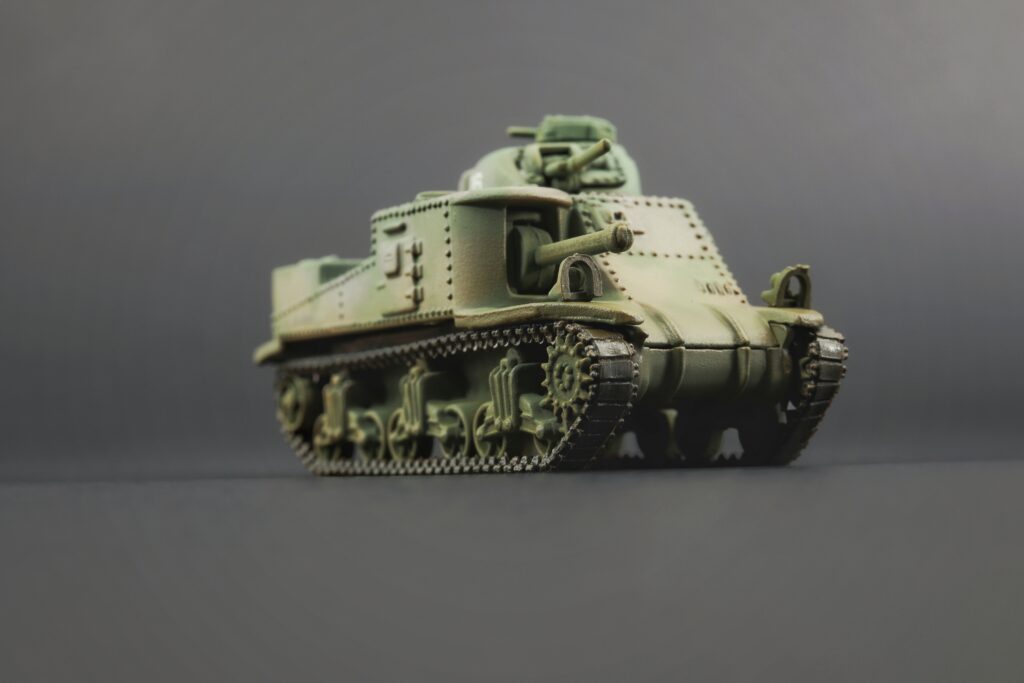
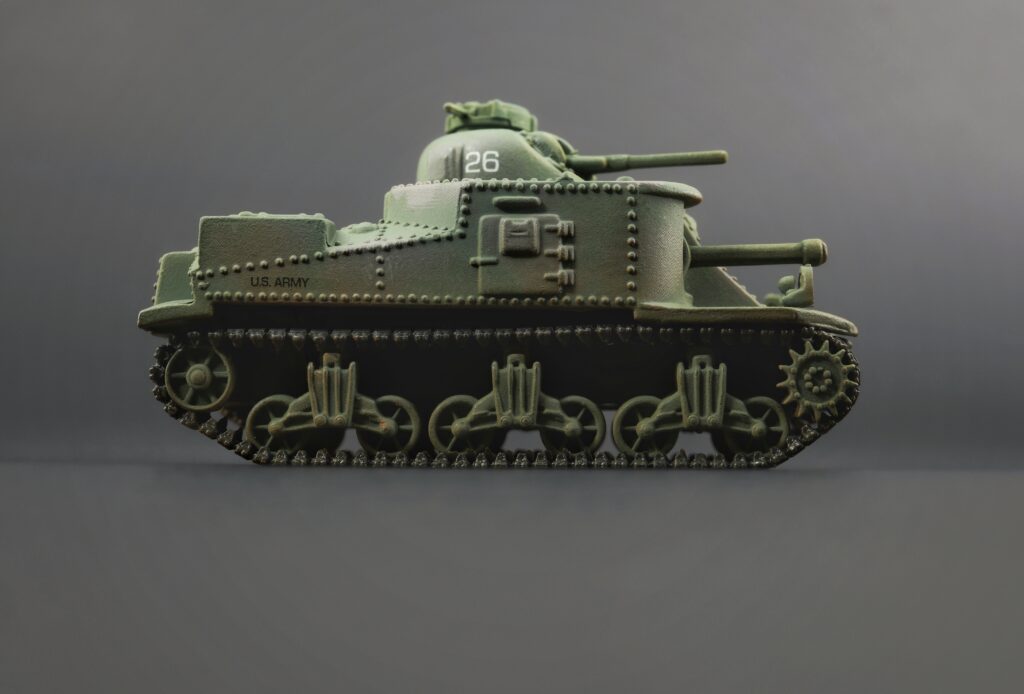
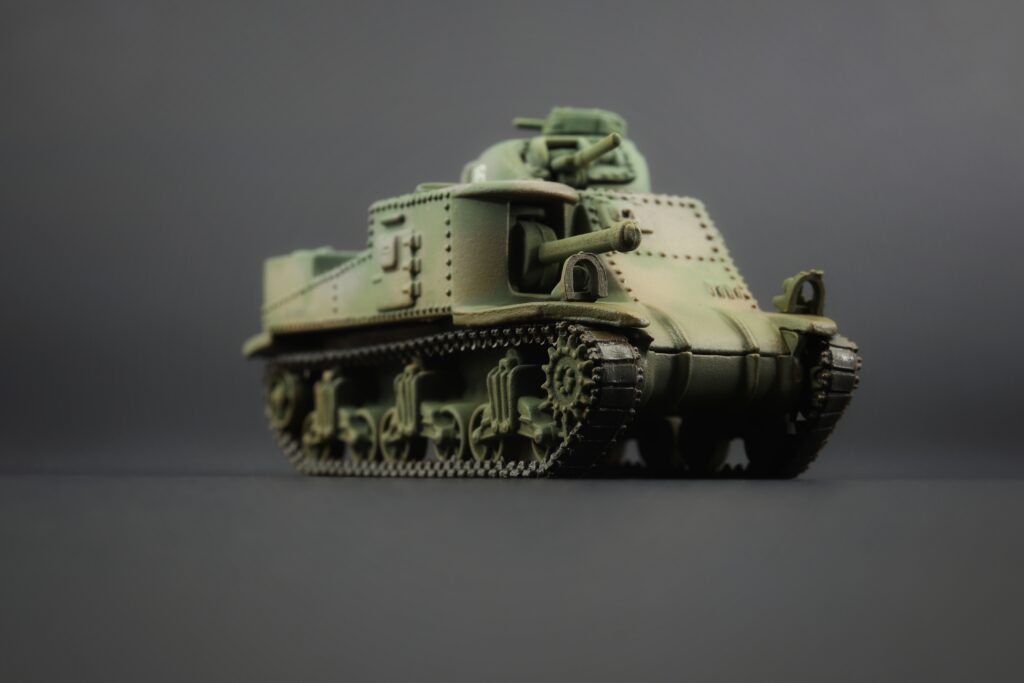
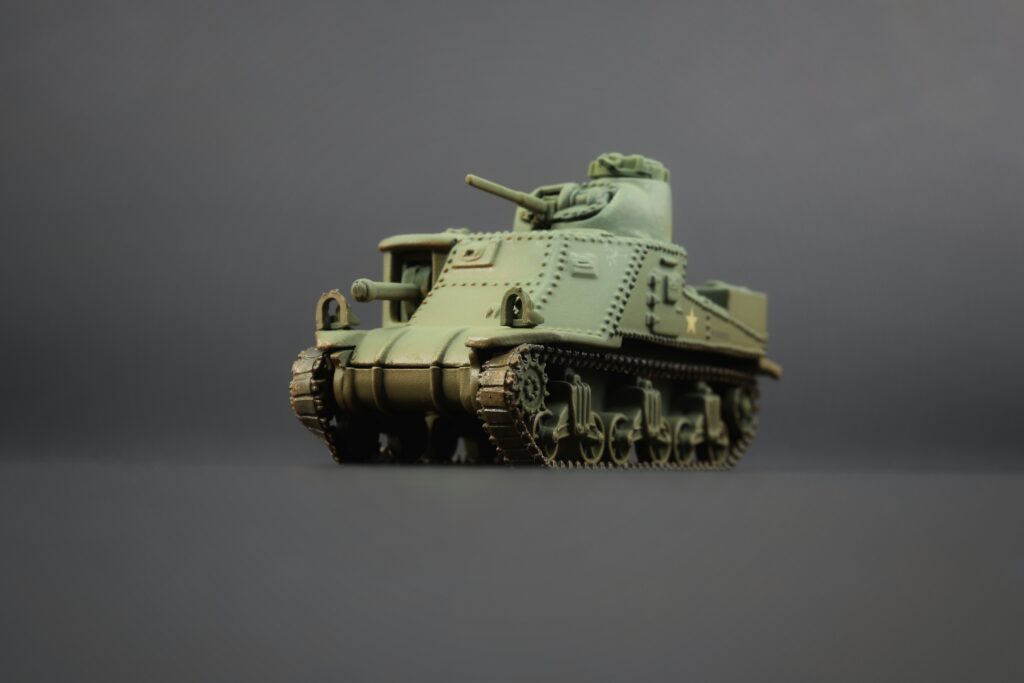
Equally impressive are the M3 Lee Tanks included in the series. The 193rd Tank Battalion participated on the Raid on Makin Island, which is known today as Butaritari. The Allied forces succeeded in destroying most of the Japanese installations on the island, but failed to uncover any meaningful intelligence. Two beaches were utilized in the battle, dubbed Red Beach and Yellow Beach. Originally, the plan was to draw most of the Japanese forces on the island to Red Beach, and have the Yellow Beach forces attack from the rear. Although the Red Beach landing was successful, it failed to capture the attention of the Japanese forces the Allies had hoped for. Those forces invading Yellow Beach unfortunately also had to fight a high-tide and a shallow lagoon, which caused delays. The battle ended with a dramatic rescue mission as well. Seventy-two Allied soldiers were left with no other choice but to cobble together a makeshift raft using rubber boats and canoes. They traveled over four miles in this raft to meet submarines waiting to pick them up.
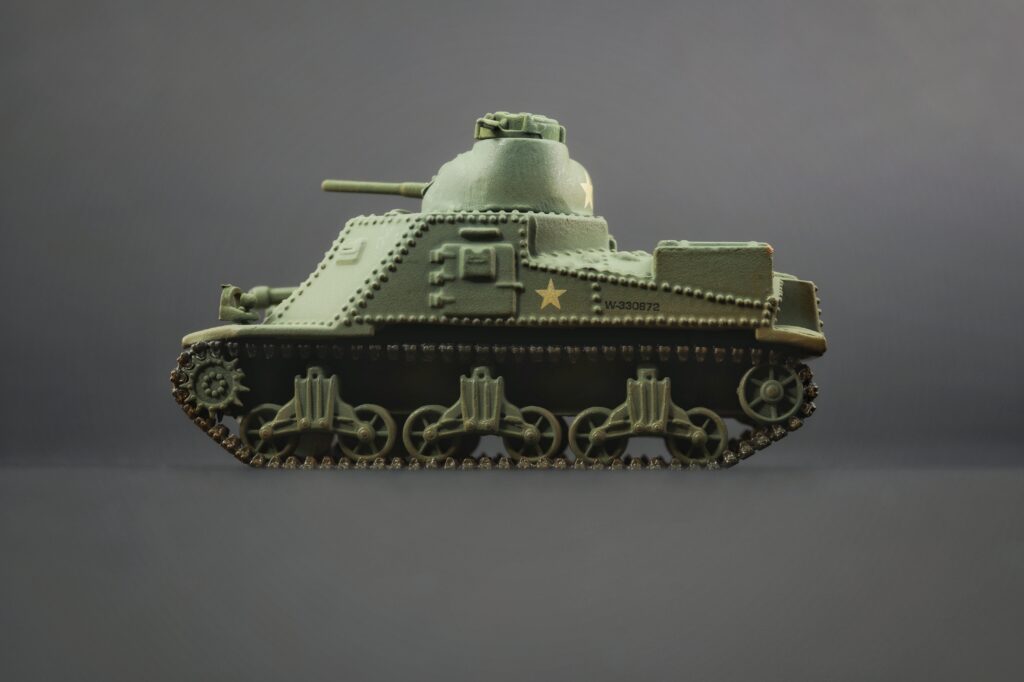
These tanks from Johnny Lightning are incredible. The sheer number of rivets in the casting is just impressive. Rubber treads on the tracks are stationary, but the three guns are position-able. Two top-mounted turrets can also spin 360 degrees, individually. There are heavy-duty tow cables and shovels stamped into the rear of the tanks. Version A wears the number “26” on its turret while Version B sports a white star on either side.
 |
 |
 |
 |
 |
 |
 |
 |
GMC CCKW 2 1/2-ton 6×6 Truck
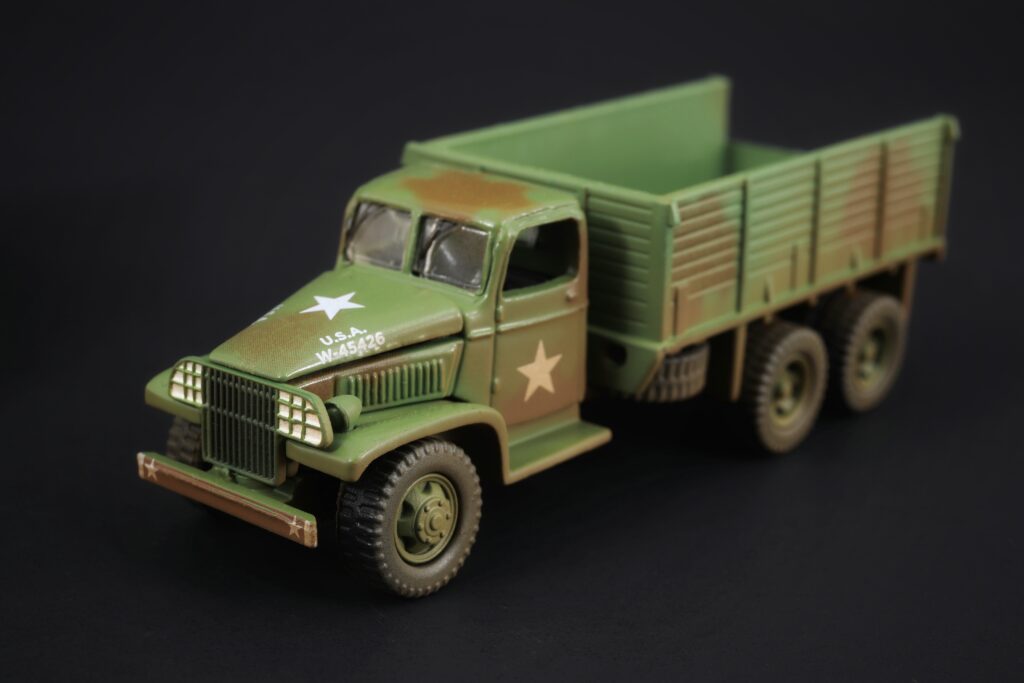
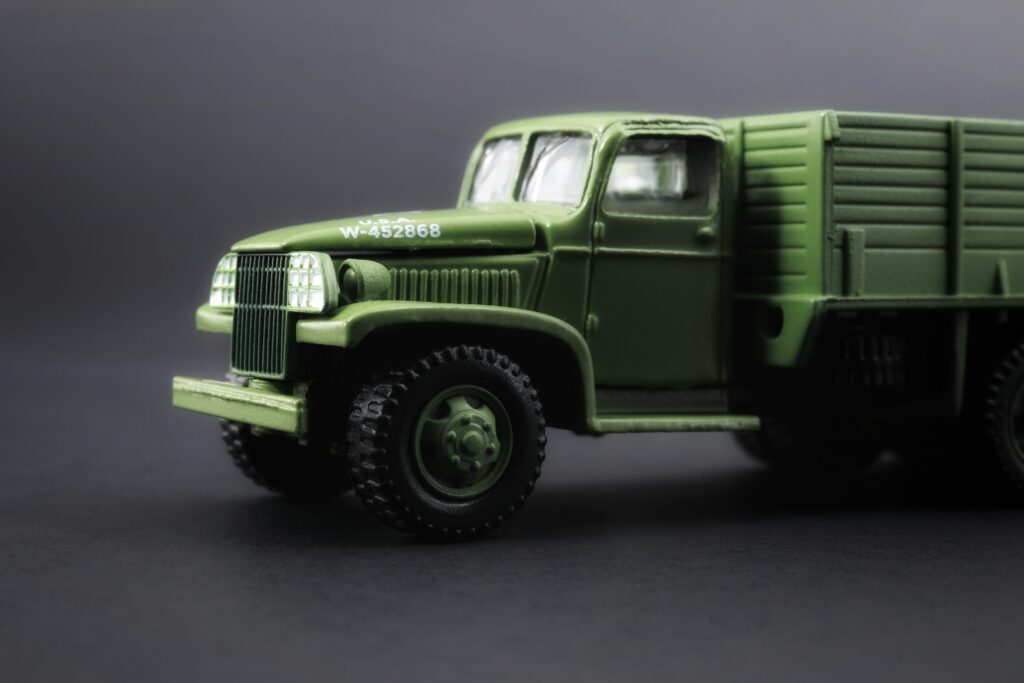
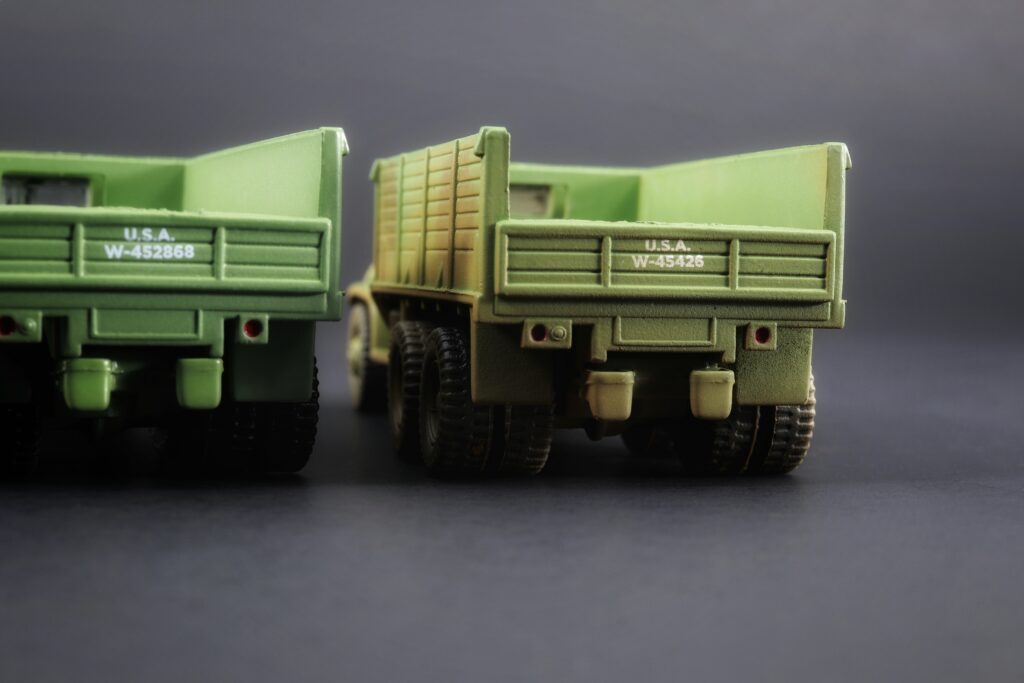
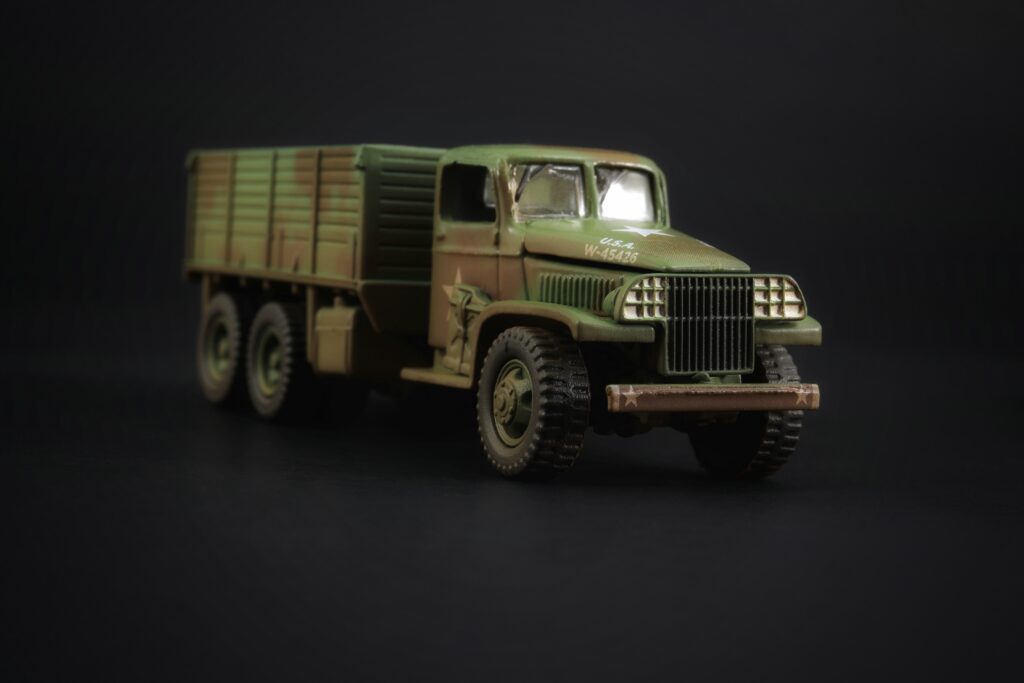
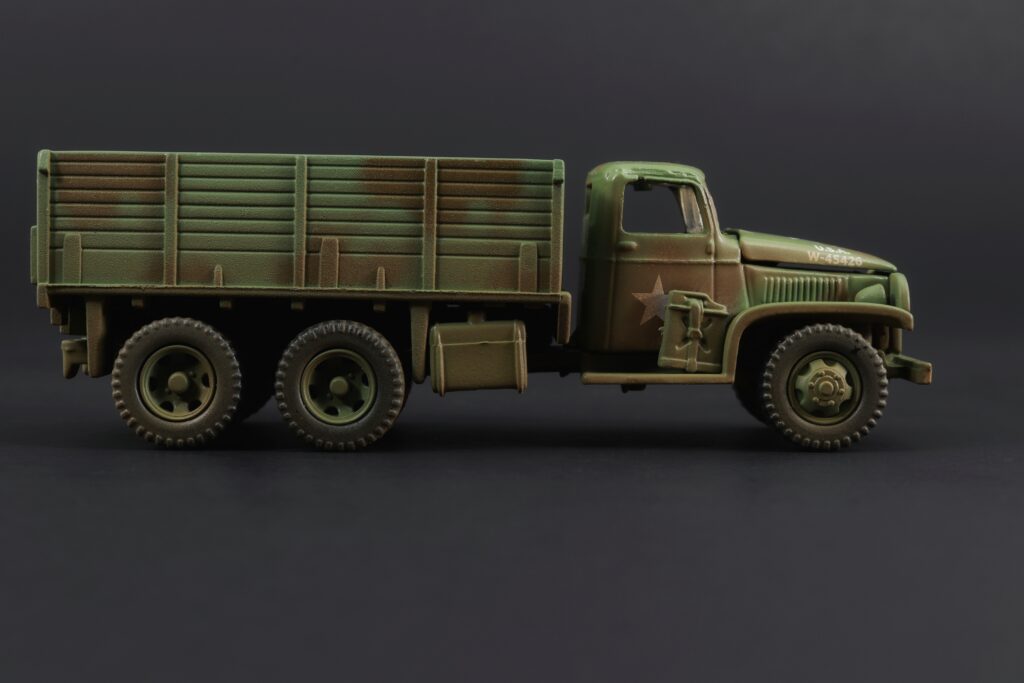
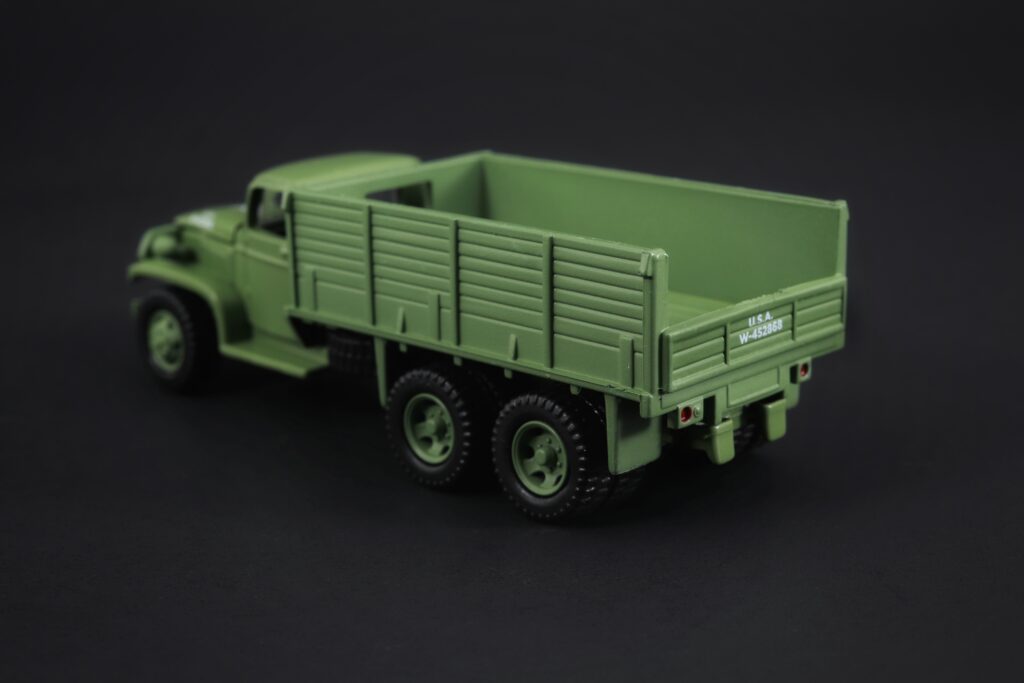
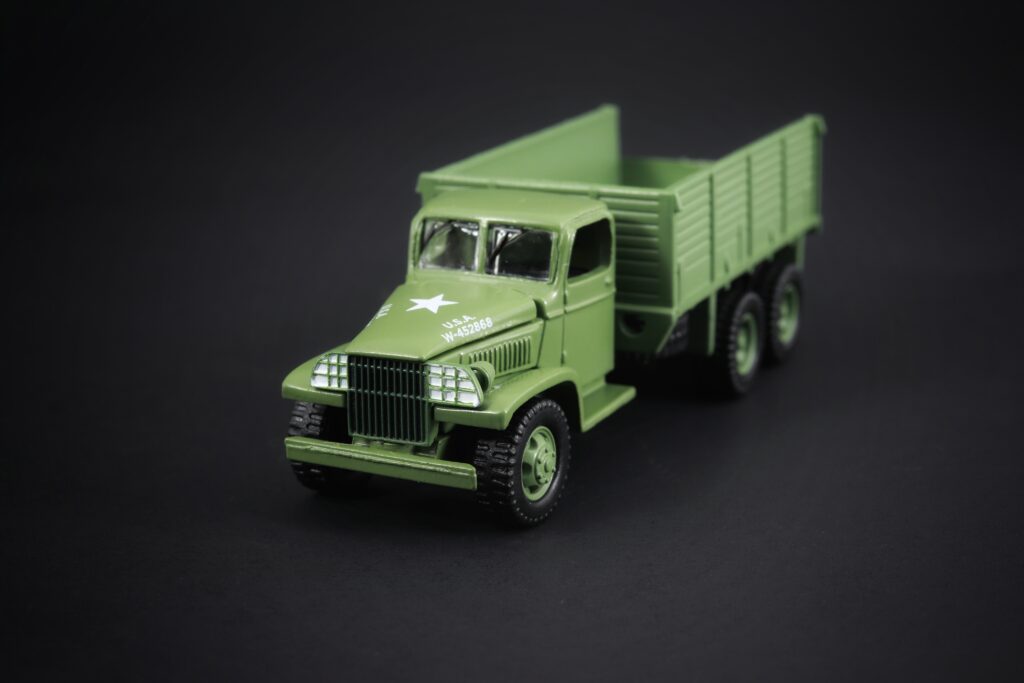
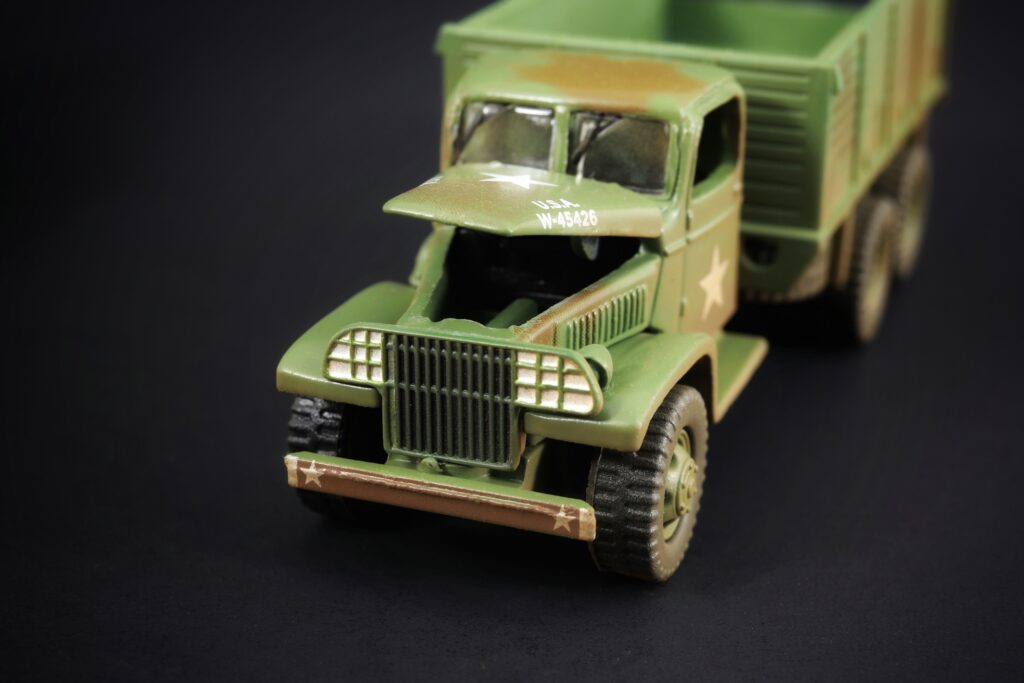
Our final vehicle set in this series are a pair of GMC CCKW 2 1/2-Ton 6×6 trucks. These beasts carried troops and supplies to the front lines of battle, conquering whatever terrain they encountered. Version A is a tribute to trucks used in the Battle of Guadalcanal and Version B saw action in the Liberation of the Philippines. The Battle of Guadalcanal was the first offensive battle in the Pacific Theater, and is largely viewed as the decisive turning point in the struggle between the US and Japanese forces. The Liberation of the Philippines began with the Battle of Leyte, and concluded with snuffing out resistance forces from island to island up until Japanese surrender. US, Mexican, Australian, and Filipino Allied forces all took islands away from Japan one by one.
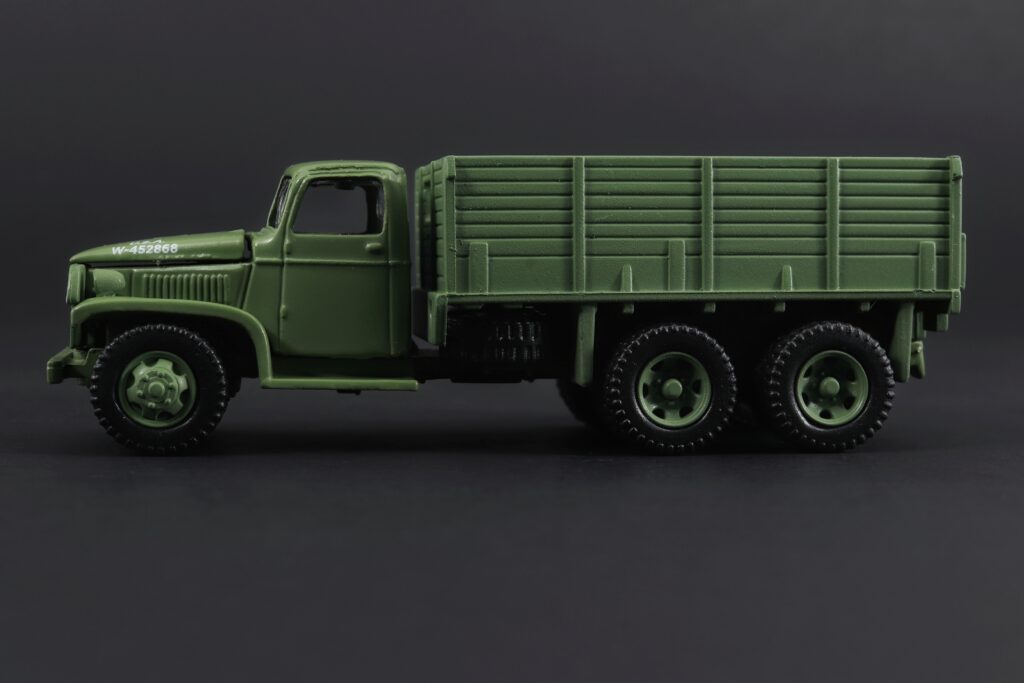
I saved these trucks for last because, while they look amazing, they are pretty basic. The level of detail is high, with ten rubber wheels plus one more as a spare. The hoods open to reveal a simple GMC 270 straight-six engine, and the shut lines leave a lot to be desired. The beds, cabs, and front grilles are indistinguishable between the two versions. The Guadalcanal truck is peppered with mud and dust, while the Philippines model looks showroom ready. The cabs are diecast metal but the beds are molded from plastic. Wheels on the rear sets of axles are impressive with lugnuts and cutout details, while the front wheels look solid.
 |
 |
 |
 |
|
 |
 |
 |
Part 1: Conclusion
I can’t thank the guys at Round 2 and Johnny Lightning enough for sending me this incredible set to review for CastHeads. If you are a diecast collector and a WWII buff, you absolutely need these. Did I mention there’s planes in this set? Stay tuned for Part 2 of this series where I’ll photograph and profile all FOUR airplanes! Then all I have to do is figure out how to ship all of these beauties to Lance, I know he’s really excited to see these up close!

Added by
Casthead Admin
03-02-2024
Recent Blogs









Comments